One of the original pitches for bitcoin was that it would be an uncorrelated asset — something that moved independently from stocks, bonds, and the broader economy. For a few years that mostly held. Since 2022, the picture has gotten messier. Whether the Federal Reserve raises or cuts interest rates seems to matter for bitcoin in a way it didn't used to.
Here's the honest version of what we know.
What the correlation looked like
In bitcoin's early years (2010–2016), it traded with almost no relationship to traditional markets. Stocks went up, bitcoin went up. Stocks went down, bitcoin still went up. It was a tiny asset that ran on its own internal narratives.
That broke in two stages.
2020–2021. Massive central bank intervention sent liquidity flowing into every speculative asset. Bitcoin, tech stocks, crypto, NFTs — all rose together. Correlation with the Nasdaq went from near zero to roughly 0.7 during the peak.
2022–2024. When the Fed started raising rates aggressively to fight inflation, bitcoin sold off in lockstep with growth stocks. The same rate cycle that crushed unprofitable tech companies also crushed crypto prices. The asset that was supposed to be the hedge behaved like a high-beta tech stock.
What's actually happening
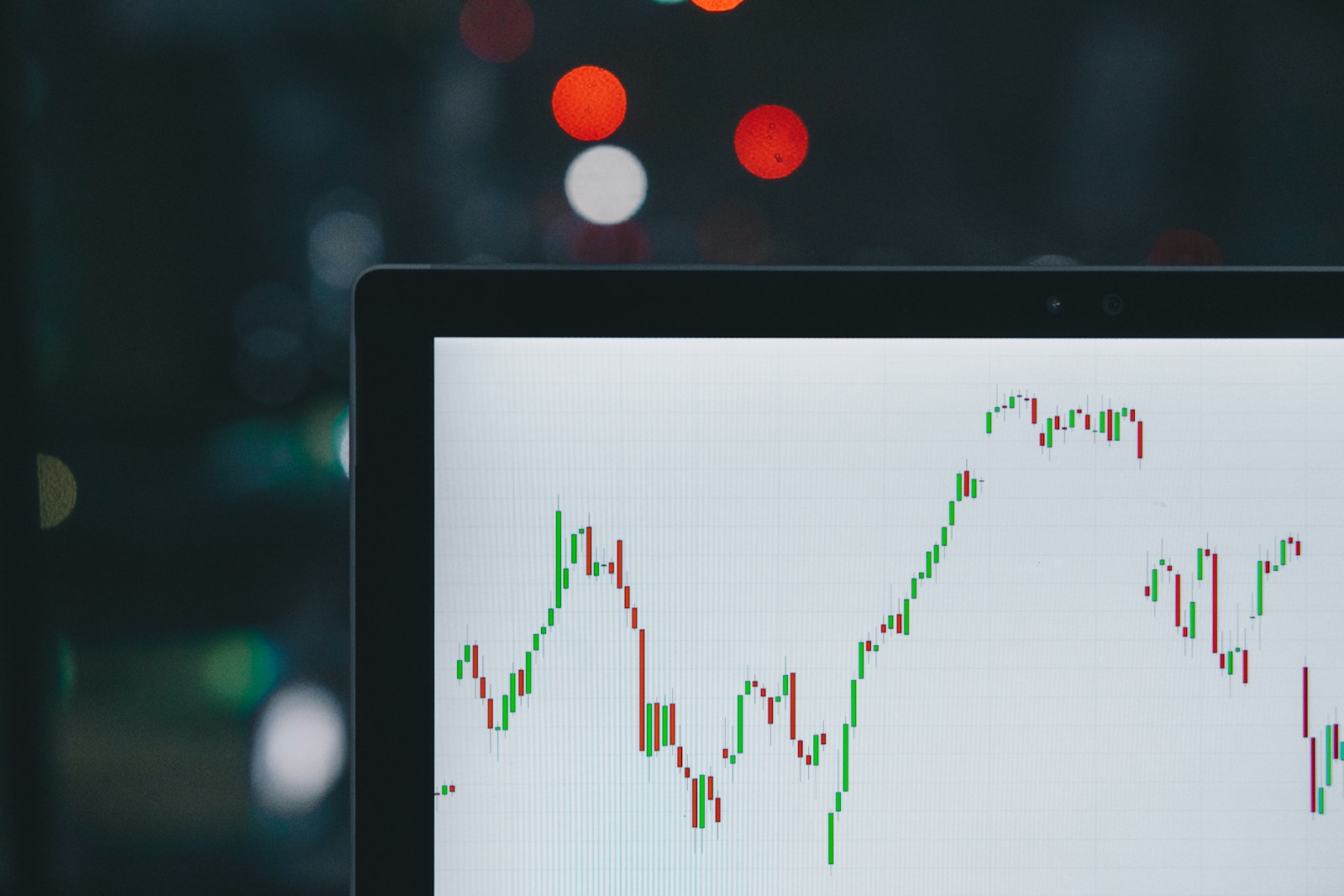
The mechanism is liquidity, not philosophy. When interest rates are low, money is cheap. Risk capital flows aggressively into speculative assets — including crypto. When rates rise, the cost of holding speculative positions goes up, so capital retreats.
This applies to most speculative assets. Bitcoin doesn't have a unique exception. The "uncorrelated" thesis assumed the asset's underlying narrative would be strong enough to override macro liquidity conditions. The 2022 cycle showed that, for the median investor, the narrative is not strong enough.
What this means in practice
A few practical implications:
- Watching Fed announcements is no longer optional for crypto traders. A surprise hawkish statement reliably moves bitcoin in the same direction as it moves the Nasdaq.
- The "rate cuts are bullish for crypto" thesis is the inverse and is mostly correct. When the Fed signals an easing cycle, crypto generally responds positively, often with a lag of a few weeks.
- The correlation strengthens during stress and weakens during quiet markets. In ranging conditions, bitcoin can do its own thing for a while. When there's a real liquidity event (a major bank failure, a credit spread blowout), correlations spike toward one.
The bull case for decorrelation, honestly
Defenders of the original thesis point out two things:
Long-horizon performance. Across the full 2010–2025 period, bitcoin's total return dwarfs the stock market's. Even if the short-term moves are correlated, the underlying drift is different.
Specific events. Bitcoin has acted as a hedge during specific currency crises (Turkey 2021, Argentina ongoing, Cyprus 2013). Inside the country experiencing the crisis, the asset behaved exactly as advertised. In the US dollar perspective, the same events were invisible.
Both points have merit. Neither fully rescues the original "uncorrelated to traditional markets" framing.
What you should actually do with this
If you're a retail buyer, the practical takeaway is that bitcoin moves on macro liquidity cycles too, and there's no useful reason to pretend otherwise. The "dollar-cost averaging through cycles" advice for retail is still the right answer — it just isn't avoiding correlation to macro, it's just smoothing the entry.
If you're a trader, the Fed calendar matters. Rate decisions, FOMC minutes, and the chair's tone at press conferences are all events that move bitcoin in a roughly predictable direction.
Takeaway
Bitcoin is correlated to macro liquidity, more than its early marketing suggested. The asset still has its own internal cycles and its own long-run narrative, but those operate on top of broader market gravity, not independent of it. If you understand both layers, you'll get fewer surprises.
Crypto markets respond to monetary policy. Pretending otherwise costs money.