Our last recap on Saturday said a good few days had been quietly earned, with Bitcoin near $64,000 and the ETF buying streak having survived its first full week. We left you two questions: does the buying keep going into week two, and does Bitcoin defend the ground it reclaimed? A few days on, the answers are in — and they are encouraging, with one honest asterisk. Bitcoin has climbed to about $65,000, Ethereum finally had a day worth talking about, and the buying streak got a real fright mid-week before recovering. Here is the plain-English version.
Where prices are today
A steady green drift, with one coin doing the heavy lifting:
- Bitcoin (BTC): about $65,000, reclaiming a level it last touched before June's slump and up roughly 2% from Saturday's $64,000
- Ethereum (ETH): about $1,875, up nearly 5% on the day — its best single-day move in weeks
- XRP: about $1.10, up roughly 3%
- Solana (SOL): about $77.50, up roughly 3%
The total value of all crypto has nudged up to around $2.3 trillion. The detail worth pausing on is Ethereum. For recap after recap, ETH has been the quiet laggard — grinding sideways near $1,740 while Bitcoin did the moving. A near-5% day does not erase months of underperformance, but it is the first time in a while the second-biggest coin led rather than lagged. When the broader market finds its footing, the coins that fell furthest often bounce hardest, and that is roughly the shape here.
The number that mattered: the streak got scared, then held
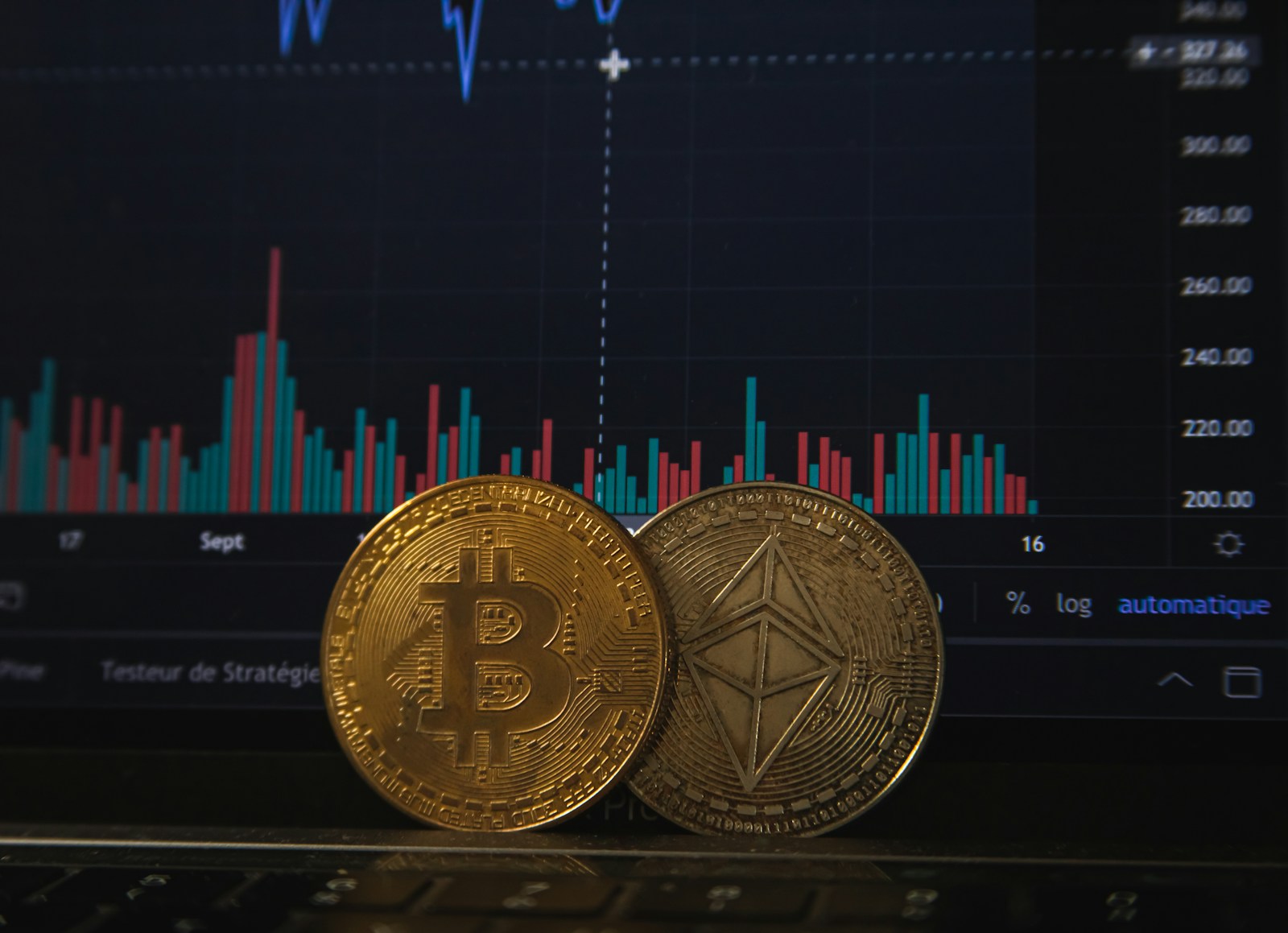
Longtime readers know the drill — the fund flows are our honest scoreboard for real demand. A quick refresher, because it anchors every recap. A spot Bitcoin ETF lets an ordinary person own Bitcoin through a normal brokerage or retirement account, with no crypto exchange, wallet, or seed phrase. Money flowing in means everyday investors and institutions are buying through the front door; money flowing out means they are leaving.
Saturday's recap asked whether week two of buying would look like week one. The honest answer: it wobbled first. On one risk-off session mid-week, the big Bitcoin funds saw about $425 million walk back out the door in a single day — a sharp reminder that a young recovery can still flinch. But it did not turn into a rout. The very next day the funds pulled in roughly $239 million across Bitcoin and Ether products combined, with BlackRock's fund alone adding about $139 million and every Ether fund posting zero outflows. That rebound was enough to snap an eight-week streak of money leaving crypto funds overall — the first genuinely green week for the wider group since spring.
So week two was not the clean, boring continuation of week one. It was a scare followed by a recovery. That is arguably more useful information: it showed the buyers are willing to step back in on a red day rather than only chasing green ones.
Washington's rulebook got more specific
The other thing we flagged has kept moving. Saturday we noted the US securities regulator had put three crypto rules on its July agenda. This week the outline got clearer: one rule would make it easier for crypto startups to raise money (with temporary exemptions instead of the full, slow registration process), a second would spell out how brokers can legally hold customers' crypto, and a third would set the ground rules for where tokens can trade.
Separately — and this is the more concrete item — a major stablecoin company won federal approval to operate as a national trust bank. In plain terms, a big crypto-adjacent firm just got a mainstream banking license. Why does a beginner care? Because both stories point the same way: the machinery that lets cautious, regulated money touch crypto is slowly being built. None of this is a next-day price event, and rules on an agenda are not the same as rules in force. But it is the slow, structural kind of positive that makes the whole space a little less wild-west over time.
The mood is still cautious — and that is normal
Here is the now-familiar twist. Prices are up, both watchlist items resolved well, and yet the crowd has not thrown a party. The Crypto Fear and Greed Index — the simple 0-to-100 mood meter where low means fear and high means greed — is still sitting in the fearful zone, only edging up toward the low 30s from the mid-20s we noted at the weekend. That is the same healthy disconnect we keep describing: the structural signals (flows, rules, prices) are improving faster than sentiment. Feelings are a rear-view mirror, still reflecting how June felt. A market that climbs while the mood stays skeptical is scaling what old hands call a "wall of worry," and that tends to be sturdier than a rally built on excitement.
What to watch next
- Does the buying shrug off more red days? The mid-week outflow-then-inflow told us buyers will step in on dips. The next test is whether they keep doing it if a rougher patch arrives.
- Is Ethereum's move the start of something? One strong day for ETH is a data point. A week of it leading rather than lagging would be a genuine shift worth noting.
- The Fed at month-end. The July 28–29 Federal Reserve meeting is still the main event on the macro calendar. Rates are being held at 3.50%–3.75%, and the uncertainty about the next move is a big reason the mood stays guarded.
- Rule text, not just agendas. The regulator's July targets are promises; the actual proposed rules, when they appear, are what count.
The bottom line for beginners
A quietly good stretch that earned its gains the hard way. Bitcoin reclaimed $65,000, Ethereum had its best day in weeks, and the ETF buying we told you to watch survived a real one-day scare instead of a clean week — which, if anything, is more reassuring. The mood is still stuck in fear, which is normal this early in a recovery, and none of this is an all-clear or a reason to chase. The playbook does not change: only commit money you can leave alone through a rough stretch, never borrow to buy, and treat improving trends as information, not a starting gun.
This article is for general information and education only. It is not financial advice. Crypto prices are volatile and you can lose money. Always do your own research before investing.