Friday's recap described a market sliding on an oil shock, with the mood dropping into extreme fear. The obvious next chapter would have been more of the same — because over the weekend the news genuinely got worse. An Iranian strike on the Al Azraq base in Jordan on July 18 killed two American service members and left another missing, the US struck back, and the fragile ceasefire that had briefly calmed the Strait of Hormuz is over.
And Bitcoin went up.
That disconnect is the whole story this morning, and it is worth understanding, because it is one of the more useful things a beginner can learn about how markets actually work.
Where prices are today
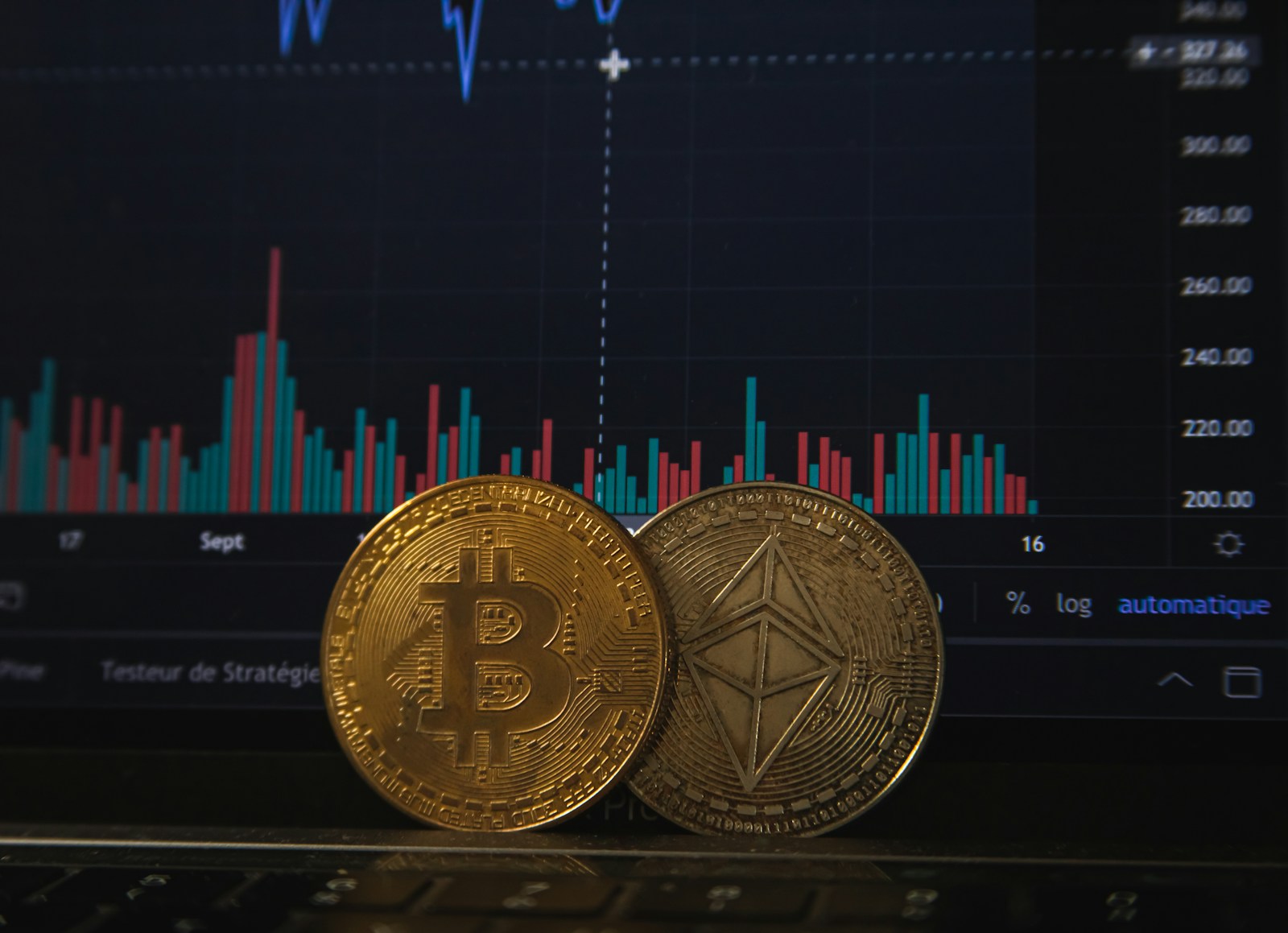
- Bitcoin (BTC): about $64,000, recovered from Friday's slide and now pressing against $65,000 again
- Ethereum (ETH): about $1,868, back up after Friday's drop toward $1,832
- XRP: about $1.08, roughly flat
- Solana (SOL): about $76, up around 1% on the day
Nothing dramatic. But after a weekend of escalating military headlines, "nothing dramatic" is itself the news.
Why bad news stopped moving the price
Markets do not react to events. They react to surprises — the gap between what happens and what was already expected.
By Friday, traders had spent a week pricing in a Middle East conflict that keeps getting worse. Positions were already reduced, prices already lower, the fear gauge already in the basement. So when the weekend delivered exactly the kind of escalation everyone was braced for, there was no one left to scare into selling. The people who wanted out were already out.
This is sometimes described as a market being "sold out." It does not mean the news is good, or that the risk went away. It means the price had already done its reacting in advance. That is why the second identical piece of bad news often moves things far less than the first.
The quieter story: ETF buyers kept buying
Underneath the headlines, something steadier was happening. The spot Bitcoin ETFs — the funds that let ordinary people own Bitcoin through a normal brokerage account, without touching a crypto exchange — posted a fourth consecutive day of net buying into Friday:
- Tuesday, July 14: about $181 million in
- Wednesday, July 15: about $108 million in
- Thursday, July 16: about $79 million in
- Friday, July 17: about $132 million in
That is roughly $500 million of buying across four sessions, including on days when the oil shock was actively knocking the price down. The full week finished at only about $76 million net, because Monday's outflow ate most of the gains — so this is a modest run, not a stampede. But the direction matters more than the size here: buyers stepping in during a scary week is exactly the test we said Friday would be worth watching, and they passed it.
For scale, the US spot Bitcoin ETFs now hold roughly 1.21 million BTC, about $77.7 billion in assets, with over $51 billion of cumulative money in since they launched.
The mood climbed out of the basement
The Crypto Fear and Greed Index — the 0-to-100 mood meter where low means fear and high means greed — has risen to about 28, which nudges it out of "extreme fear" and into plain old "fear." Friday it was down in the low 20s, with some readings as low as 18.
That is not optimism. Twenty-eight is still a nervous market. But it is the difference between panic and caution, and it moved in the right direction across a weekend when the news did not.
Our watchlist, checked
Friday we named three things. Where they stand:
- Oil, above everything. The situation did not calm — the ceasefire collapsed. But oil's move was less violent than the first shock, and crypto barely flinched. Still the single most important input.
- ETF flows on red days. This one resolved clearly and positively: four straight days of buying, including through the sell-off. The most encouraging data point in this recap.
- The July 28–29 Fed meeting. Now nine days out and the dominant scheduled event. Rates are held at 3.50%–3.75%, and nobody sensible expects a cut with an oil-driven inflation risk live on the wires.
What to watch next
- Whether $65,000 finally breaks. Bitcoin has now bumped into this level several times without getting through. A clean break above would say the recovery has real force behind it; another rejection would say this is just a bounce inside a range.
- Does the ETF streak reach a second week? Four days is a run. Eight or nine days through a Fed meeting would be a trend.
- The Fed on July 28–29. Not for the rate decision, which is close to a foregone conclusion, but for what Chair Warsh says about whether an oil spike changes the inflation picture. That language will matter more than the number.
The honest summary of today: nothing was fixed, and the market decided that was good enough for now. That is a fragile kind of calm, but it is calm.