Yesterday's recap argued that a boring day can be the useful kind — that holding a level matters more than reaching it. Today makes it three: Bitcoin has now spent a third consecutive day above $65,000, and the most interesting thing in the market is not the price at all.
Where prices are today
- Bitcoin (BTC): about $65,700, roughly flat on the day
- Ethereum (ETH): about $1,920, essentially unchanged
- XRP: about $1.13, flat
- Solana (SOL): about $77.50, flat
Another quiet tape. Bitcoin poked toward $66,400 — a five-week high — before easing back, and the majors have spent the day drifting in a narrow band. There is a ceiling forming around $67,000–$68,000 that the market has not yet had the conviction to test, and a floor at $65,000 that has now survived three days of leaning on it.
The story: six straight days of ETF buying
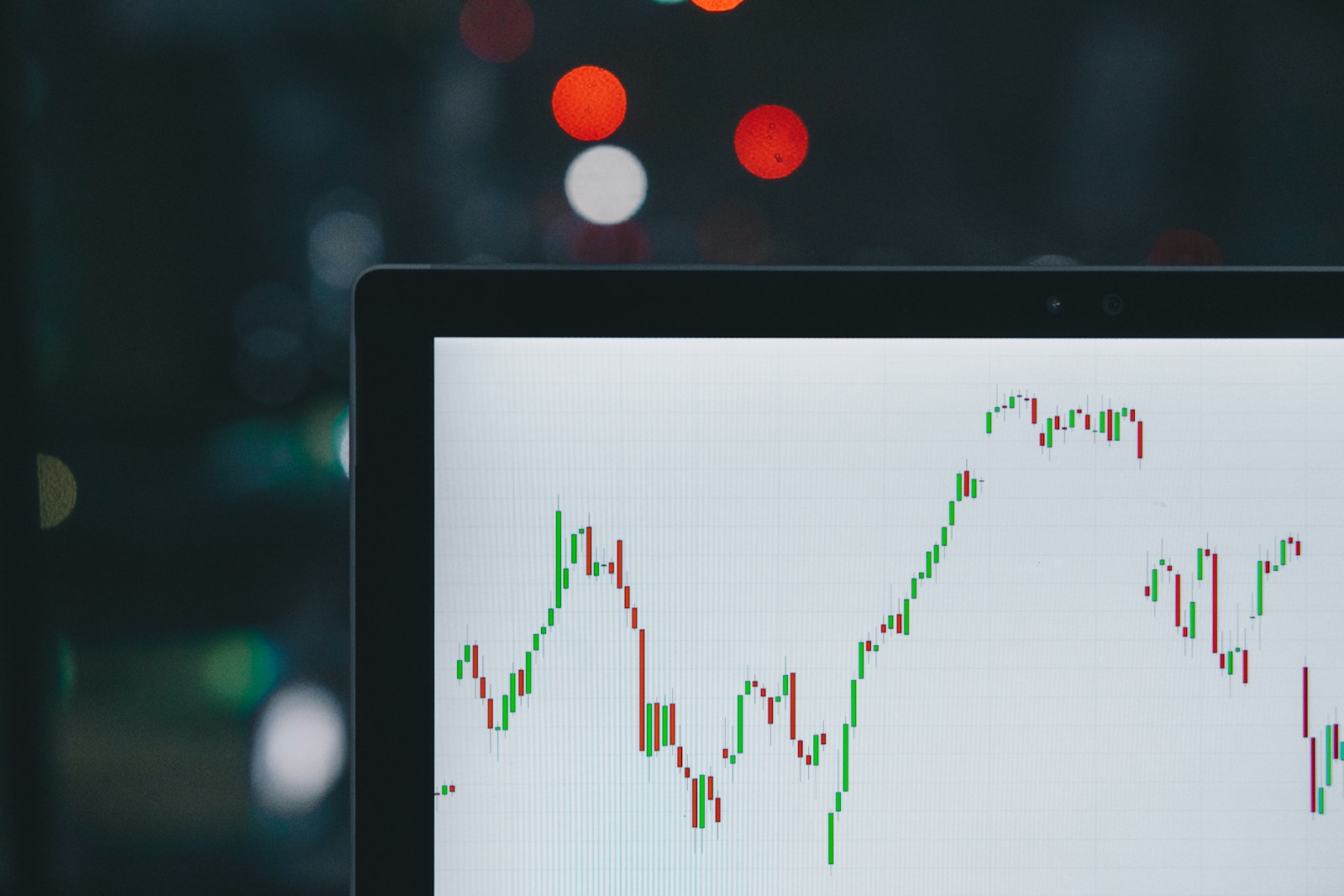
The slow story we have been tracking for two weeks finally deserves the headline. The spot Bitcoin ETFs — the funds that let ordinary investors own Bitcoin through a regular brokerage account — have now recorded six consecutive days of net inflows, adding roughly $930 million over the stretch, with about $227 million arriving on Tuesday alone. BlackRock's fund took the biggest share.
That is the longest run of sustained buying since April, and it comes barely a month after June's record outflows.
Why this matters more than a green candle: ETF money is what professionals call slow money. It is retirement accounts, advisers, and institutions — people who fill out forms and think in quarters, not hours. When slow money leaves, it leaves for weeks (it did, through May and June). When it comes back, that also tends to persist. Six days is not a trend guaranteed to continue, but it is no longer a blip, and it is the best explanation for why $65,000 keeps holding: every dip into it is being bought by someone patient.
The new ingredient: Washington
There is a second driver worth learning about. The Digital Asset Market Clarity Act — a US bill that would finally settle which regulator oversees which kinds of crypto — has been making progress, and several market commentators credit it for part of the renewed institutional demand.
The plain-English version: for years, the biggest reason large American institutions gave for staying out of crypto was not price risk but rules risk — nobody could tell them with certainty which agency was in charge or what counted as a security. A law that answers those questions, whatever the answers are, removes the excuse. Markets have started pricing in the possibility that the excuse goes away.
Bills move slowly and this one is not law yet. But it is a genuinely different kind of driver from the oil-and-ceasefire headlines that ran the market last week — less dramatic, more durable if it lands.
The mood, briefly
The Crypto Fear and Greed Index — the 0-to-100 mood meter — slipped a notch from 33 to about 31. Still "fear," barely changed. After last week's swing from 25 to 33, a one-point wobble is the gauge equivalent of a shrug. The crowd remains nervous while the slow money buys; that combination has historically been more comfortable than the reverse.
What to watch next
- The Fed, now under a week away. The US central bank meets July 28–29. No cut is expected, but Chair Kevin Warsh's press conference — especially anything about whether the recent oil spike changes the inflation outlook — will set August's tone.
- The $67,000–$68,000 ceiling. Three days of holding $65,000 is the floor test passed. The next test is whether the ETF bid is strong enough to push through the overhead resistance, or whether the market stalls under it into the Fed meeting.
- The ETF tape, daily. A seventh and eighth day of inflows extends the story. A sudden outflow day would be the first crack worth taking seriously.
The honest read on today: the market is doing something it has not done since spring — going quietly sideways while nearly a billion dollars of patient money walks in the door. That is not a guarantee of anything. But of all the ways to spend a week waiting for the Fed, this is one of the healthier ones we have covered.
Crypto is volatile. You may lose all the money you invest. Only put in what you can afford to be wrong about.