One of the most repeated claims in crypto is that Bitcoin is a hedge against inflation — a way to protect your money as governments print more currency. It is a compelling story with real logic behind it, and also a claim the evidence complicates. Here is the honest version.
The theory behind it
Inflation is, loosely, your money losing purchasing power over time, often because more currency is created. The argument for Bitcoin as a hedge rests on scarcity:
- There will only ever be 21 million bitcoin, and no government or central bank can create more.
- Unlike a national currency, its supply cannot be inflated away by policy.
- So, the theory goes, as currencies are debased, a fixed-supply asset should hold or gain value — much like gold has been seen for centuries.
This is why Bitcoin is often nicknamed "digital gold." On paper, a provably scarce asset is an appealing antidote to money-printing.
Where reality complicates it
The neat theory runs into messier evidence:
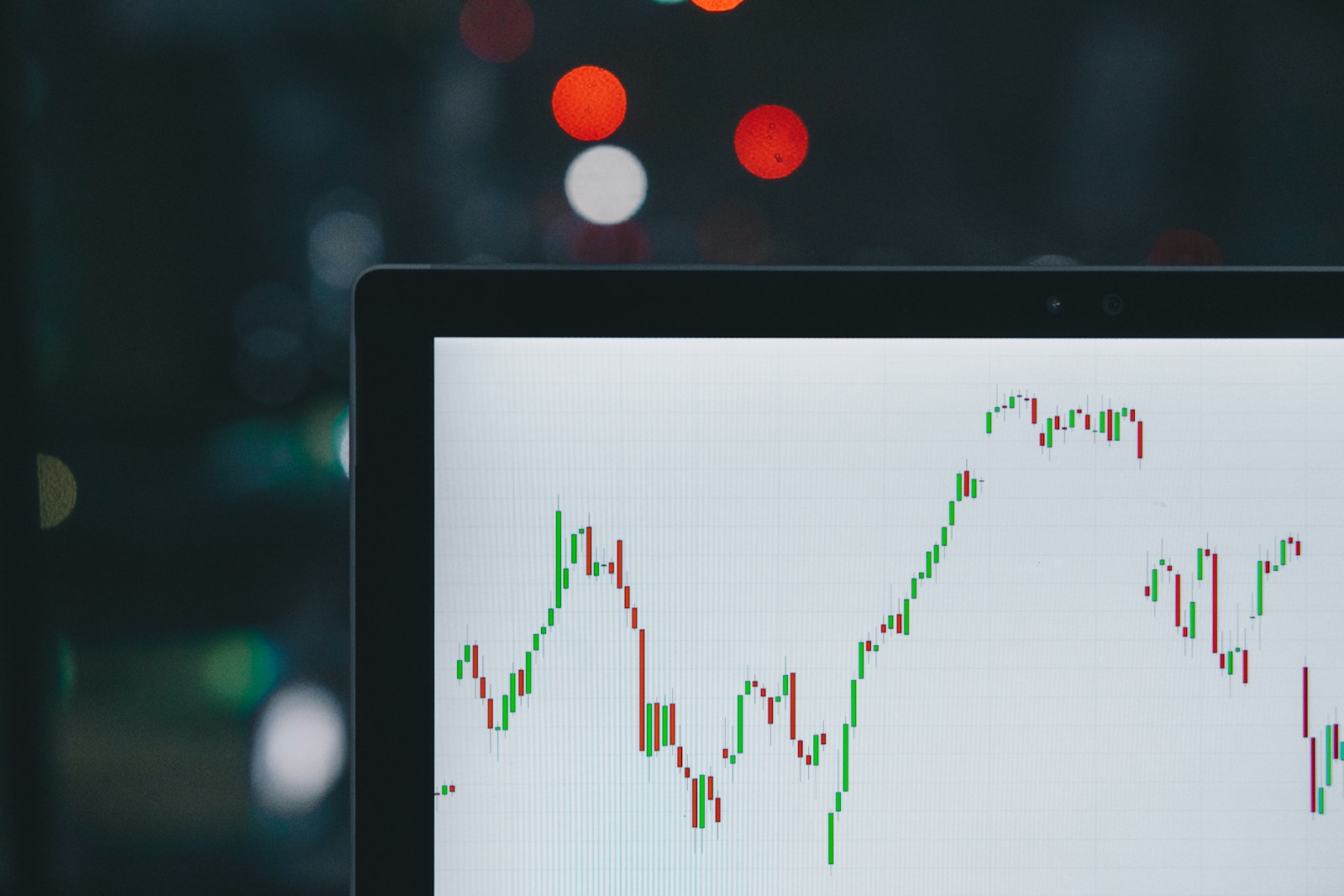
- Bitcoin trades like a risk asset, not a safe haven. In practice, it often falls when markets are scared and inflation fears spike — the opposite of what a classic hedge should do. When investors flee risk, Bitcoin has frequently been sold, not bought.
- It is far too volatile to reliably protect purchasing power over short periods. An asset that can drop 50% is a strange shield against a 5% rise in prices.
- Its history is short. Bitcoin has not lived through enough varied economic cycles to prove the hedge claim the way gold's centuries of data do.
So the slogan oversimplifies. Over very long horizons, the scarcity argument may hold; over months and single years, Bitcoin has often behaved more like a tech stock than like gold.
The more honest framing
A fairer way to think about it:
- Bitcoin is a long-term bet on scarcity and adoption, not a reliable short-term inflation shield.
- It tends to do well when money is loose and risk appetite is high, and poorly when money tightens — regardless of the inflation headline.
- Calling it an inflation hedge is more narrative than demonstrated fact at this stage.
That does not make it worthless — it makes it a different thing than the slogan implies. People hold it for potential long-run scarcity-driven appreciation, accepting wild volatility along the way.
What this means for you
If you are buying Bitcoin specifically to protect against next year's inflation, the evidence does not strongly support that, and the volatility could hurt you. If you are making a small, long-horizon bet that a scarce digital asset matters over many years, that is a more defensible reason — provided it is money you can afford to lose and watch swing hard.
How it compares to gold
Since Bitcoin is so often called "digital gold," the comparison is worth making honestly. Gold's claim as an inflation hedge rests on thousands of years of history, a deep and stable market, and a tendency to hold value (if not spectacularly grow it) over very long periods. Its volatility is modest by crypto standards.
Bitcoin shares gold's core appeal — genuine scarcity, no issuer who can print more — and adds advantages gold lacks: it is easy to move, divide, and store digitally. But it gives up gold's two biggest strengths as a hedge: a long track record and relative stability. Bitcoin is far more volatile and has existed for a fraction of the time. So "digital gold" captures the scarcity argument well, but not the stability one. A reasonable view is that Bitcoin might grow into a gold-like role over decades if adoption continues — but treating it today as gold's equal in protecting purchasing power is getting ahead of the evidence.
Takeaway
The case for Bitcoin as an inflation hedge rests on its fixed supply, but in practice it has behaved more like a volatile risk asset than like gold, often falling exactly when inflation fears spike. Over long horizons the scarcity argument may have merit; as a short-term inflation shield, the evidence is weak. Treat "inflation hedge" as a narrative, not a guarantee.
This is general information, not financial advice. Crypto is volatile and may lose value even when its story sounds compelling.