Send crypto and you will usually pay a small fee on top — sometimes cents, sometimes more. Beginners often assume a company is charging them. In fact, network fees work nothing like a bank charge, and understanding them helps you transact cheaper and panic less. Here is how.
Who the fee actually goes to
A crypto network fee is not paid to an exchange or a company. It goes to the participants who secure the network — miners in proof-of-work chains like Bitcoin, or validators in proof-of-stake chains like Ethereum — as a reward for processing and confirming your transaction.
In other words, the fee is what you pay the decentralised network to include your transaction in the next block. It is the cost of using a system with no central operator to foot the bill.
Why fees rise and fall: an auction for space
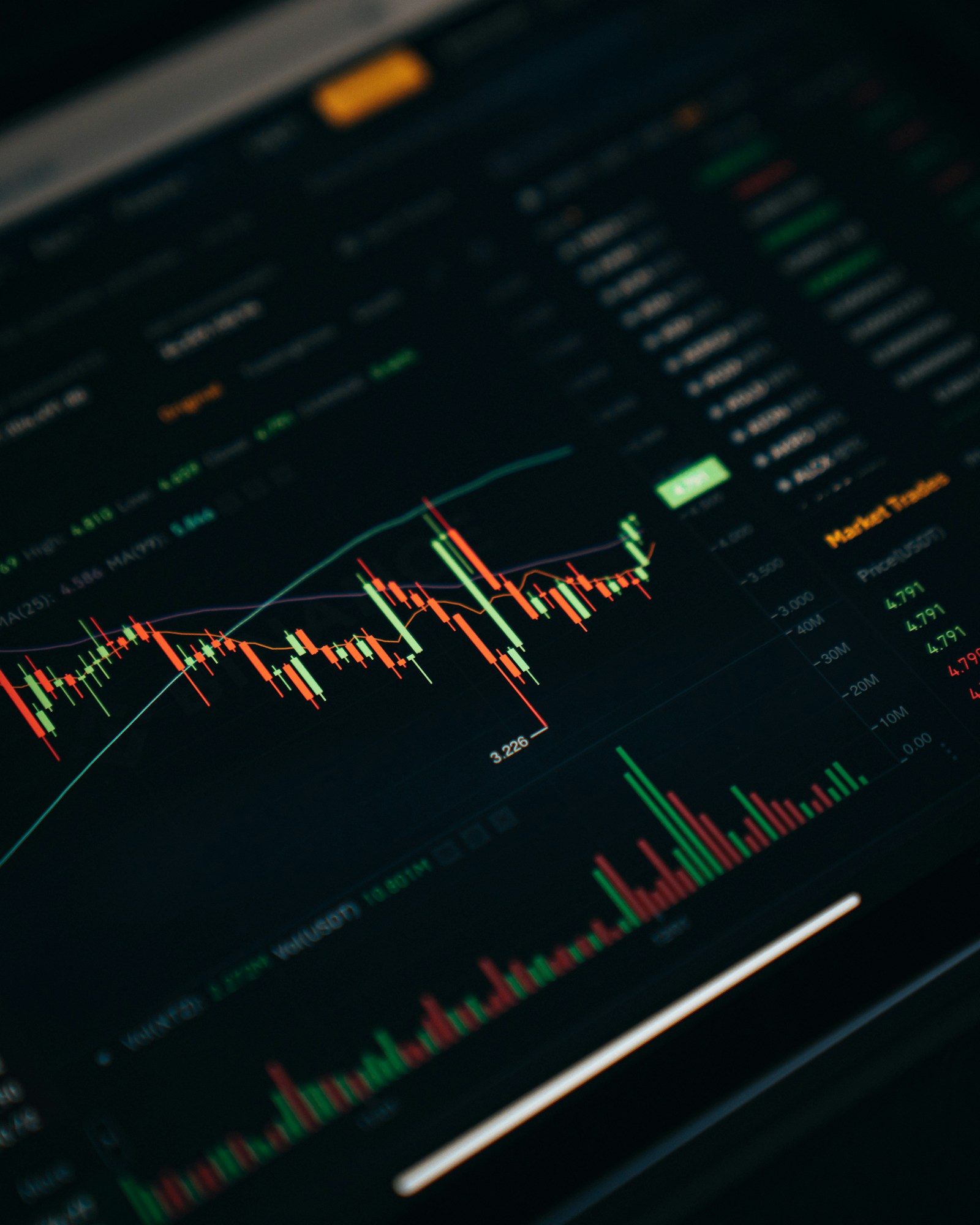
Here is the key idea. Each block on a blockchain has limited room for transactions. When more people want to transact than there is space, they effectively bid for that space by offering higher fees, and the network prioritises the higher bids.
So fees are really an auction for block space:
- When the network is busy, competition is fierce and fees climb.
- When the network is quiet, there is plenty of room and fees drop.
This is why the exact same transfer can cost a few cents one day and far more during a frenzy. The fee tracks demand, not a fixed price list.
"Gas" on Ethereum
On Ethereum you will hear fees called gas. The idea is the same — a payment for the network's work — but Ethereum charges based on how much computational effort a transaction requires. A simple transfer costs little gas; interacting with a complex smart contract costs more. During congestion, the price of gas rises, which is why Ethereum fees spike when the network is in heavy demand. Newer "layer 2" networks were built largely to make these fees much cheaper.
How to pay less
Because fees track demand, you have some control:
- Time it. If you are not in a hurry, transact during quieter periods, when fees are lower.
- Use the economical setting. Most wallets let you choose a slower, cheaper fee versus a fast, pricey one. If speed does not matter, choose cheaper — it still confirms, just later.
- Consider the network. Moving funds on a congested chain is dear; some assets exist on cheaper networks or layer 2s.
Why the wait is normal
One reassurance: paying a fee and then waiting a few minutes is the system working, not failing. Those minutes are the network confirming your transaction. If a transaction is stuck, it usually means the fee was too low for current demand — many wallets show this and let you speed it up.
Fees as a window into a network
There is a bigger lesson hiding in fees. The reason Ethereum fees can spike to eye-watering levels during busy periods, while some other networks stay cheap, comes down to block space versus demand. A network that can only process so many transactions per block will see fees soar when everyone wants in at once — exactly what happened during past NFT and DeFi frenzies on Ethereum.
This pressure is precisely why "layer 2" networks and alternative chains exist: they aim to offer much cheaper transactions by handling activity more efficiently or off the main chain, then settling back to it. As a user, the practical takeaway is that the same action can cost wildly different amounts depending on which network you use. Before sending, it is worth knowing whether a cheaper network or layer 2 is available for what you are doing — it can be the difference between paying cents and paying many dollars for an identical transfer.
Takeaway
A crypto network fee is a payment to the miners or validators who secure the blockchain, not a company's charge. It rises and falls as an auction for limited block space — high when the network is busy, low when it is quiet. On Ethereum it is called gas and scales with computational effort. Time your transactions, use the economical fee setting when speed does not matter, and the costs become manageable.
Crypto transactions are irreversible and fees vary with demand. Always check the fee and verify the recipient before sending.