Bitcoin is digital money that runs on a network nobody owns. No bank issues it, no government prints more of it, and no single company can freeze it. That is the whole reason it exists — and once you see how the pieces fit, it stops sounding like science fiction.
Money without a middleman
Normally, sending money relies on a trusted middleman. Your bank keeps a ledger of who owns what and updates it when you pay someone. You trust the bank to keep that ledger honest.
Bitcoin replaces the single trusted bank with a network of thousands of computers that all keep the same ledger and constantly check each other. When you send bitcoin, the network agrees on the change and records it permanently. No one institution is in charge, so no one institution can quietly alter the record or shut you out.
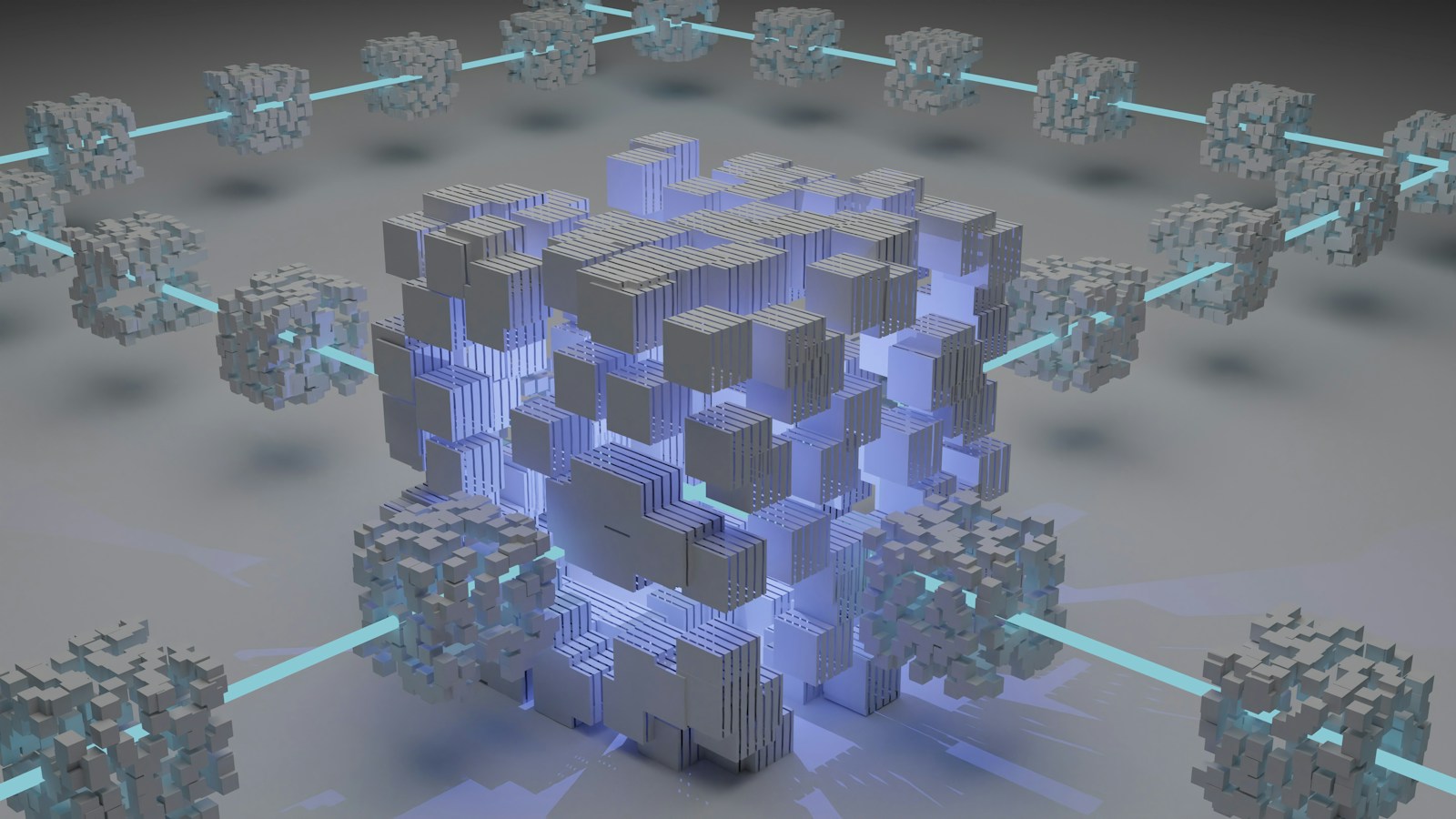
That ledger is the blockchain — a chain of blocks of transactions, each locked to the one before it, so rewriting history is effectively impossible.
Where bitcoins come from
New bitcoins are created through mining. Computers around the world compete to solve a hard mathematical puzzle; the winner gets to add the next block of transactions and is rewarded with newly issued bitcoin. This is also what secures the network — attacking it would cost more in electricity and hardware than it could ever be worth.
Crucially, the supply is capped. There will only ever be 21 million bitcoin, and the rate of new issuance halves roughly every four years in an event called the halving. That fixed scarcity is central to Bitcoin's pitch as "digital gold."
What actually happens when you send it
You hold bitcoin in a wallet, which is really a pair of keys: a public address others can send to, and a private key that authorises spending. When you send, your wallet signs the transaction with the private key, broadcasts it to the network, and miners include it in a block. After a few confirmations, it is settled — permanently.
This is also the catch: there is no customer support and no undo. Send to the wrong address and it is gone. Lose your private key and the coins are unreachable forever. The freedom from a middleman comes with the full responsibility that a middleman used to carry.
Why people care
Different people value Bitcoin for different reasons: a hedge against governments printing money, a way to move value across borders without permission, or simply a scarce asset to hold. Plenty of others remain skeptical, pointing to its volatility and lack of cash flow. Both views can be held honestly.
One thing beginners get wrong
A common confusion: a bitcoin is not a file sitting in your wallet like a photo. There is no "coin" object that moves. What exists is the ledger — a record of balances and transactions. Your wallet does not store coins; it stores the keys that let you authorise spending from an address the ledger recognises as yours. "Owning bitcoin" means the network's shared record attributes a balance to an address only your key controls. Get that mental model right and the rest — why keys matter so much, why a lost key is fatal — follows naturally.
Takeaway
Bitcoin is a shared, tamper-resistant ledger of digital money, secured by mining and capped at 21 million coins, that lets people transact without a bank in the middle. That independence is its strength and its risk: no one can censor you, and no one can save you from a mistake. Understand it as money with the guardrails removed.
Crypto is volatile. You may lose all the money you invest. Only put in what you can afford to be wrong about.