Bitcoin can rise 10% one week and fall 15% the next, and every move comes with a confident headline explaining why. Most of those explanations are guesses. Here is a clearer map of the forces that actually drive the price — useful not for predicting it, but for not being baffled by it.
Supply: fixed and shrinking
Bitcoin's supply is its defining feature. There will only ever be 21 million coins, and the rate at which new ones are created halves roughly every four years in an event called the halving. On top of that, a large portion of existing coins are held by people who refuse to sell.
The result is a thin, slowly-growing supply. When steady demand meets shrinking new issuance and a tight available float, prices tend to rise — and small shifts in demand can move the price a lot.
Demand: who wants in
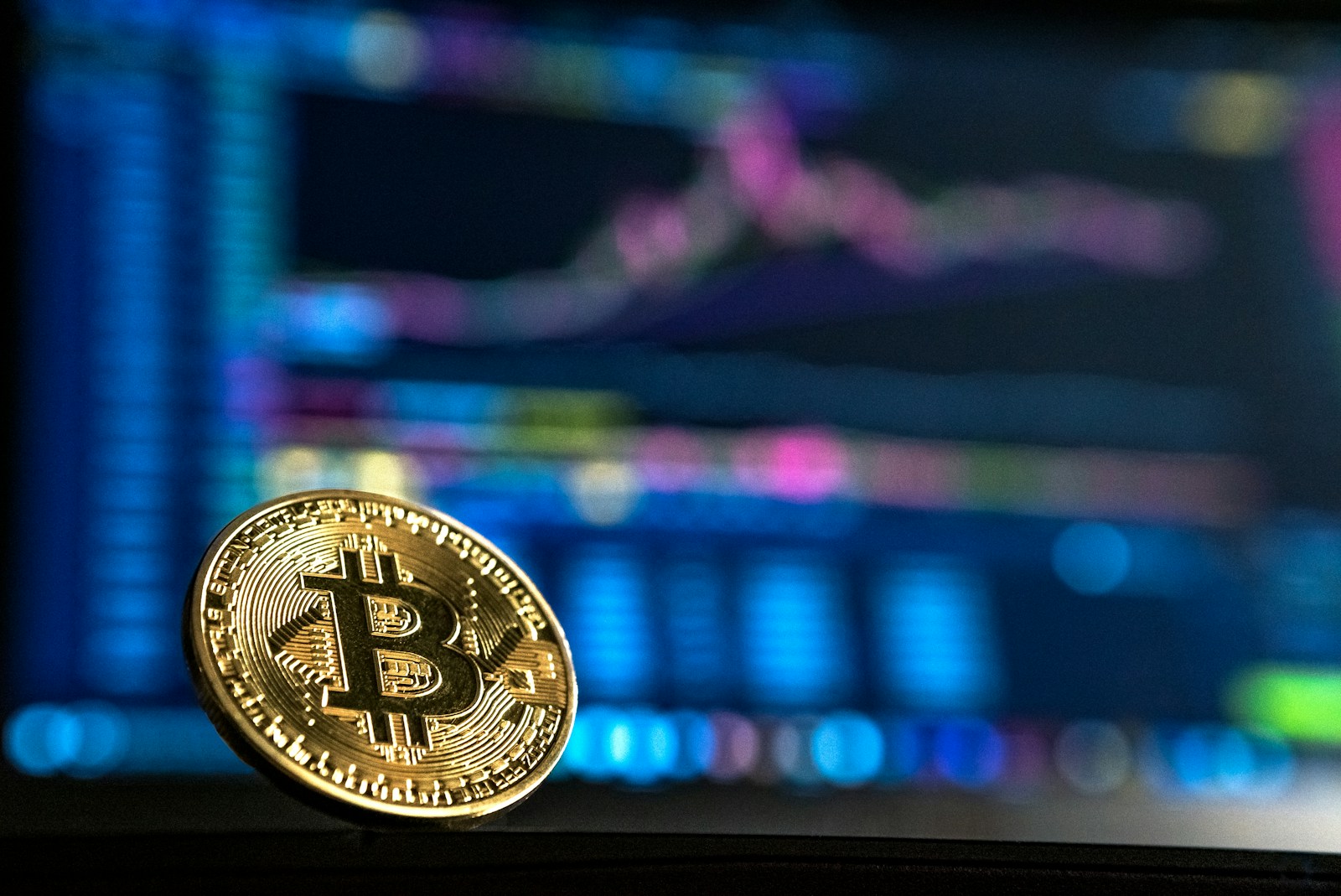
The other half of the equation is demand, which comes from many directions:
- Retail buyers — individuals, whose enthusiasm rises and falls with the cycle.
- Institutions — funds and companies, increasingly via products like spot ETFs that make buying easy.
- A safe-haven narrative — some buy Bitcoin as a hedge against currency debasement or instability.
When new, easy ways for large money to buy appear, demand can climb structurally. When access tightens or confidence fades, it drains.
Liquidity: the tide underneath
The biggest slow-moving driver is global liquidity — how much money is sloshing around the financial system. When central banks keep money cheap and plentiful, investors push into risky assets like Bitcoin. When rates rise and money tightens, the same assets fall.
This is why Bitcoin often moves with interest-rate expectations and the strength of the dollar, despite being "independent." When the cost of money changes, so does appetite for risk — and Bitcoin feels it.
Sentiment and reflexivity
Bitcoin is unusually emotion-driven. Rising prices attract attention, attention attracts buyers, and buyers push prices higher — a loop that overshoots, then runs violently in reverse. This is why rallies and crashes both go further than seems reasonable, and why "the news" often follows the price rather than causing it.
News and shocks
Finally, specific events move the price: a country adopting or banning Bitcoin, a major exchange failing, a new regulation, a big institution buying in. These can cause sharp swings, but their effect is often shorter-lived than the headlines suggest, and frequently already "priced in" by the time you read about it.
Why the daily headline is usually wrong
Put together, any given move is the messy product of all these forces interacting. The tidy single-cause explanation in a headline — "Bitcoin fell on inflation fears" — is usually a story bolted on afterward. Do not trade on it. By the time a reason is written up, the move has happened, and the next one depends on forces no article fully captures.
What this means for a beginner
If even seasoned analysts cannot reliably predict Bitcoin's price, what hope does a newcomer have? The honest answer: none, for short-term prediction — and that is liberating rather than discouraging. It means the winning strategy does not require forecasting at all.
Instead of trying to guess the next move, most people who do well simply accept the volatility and remove the guesswork: they buy a fixed small amount on a regular schedule regardless of price, hold for the long term, and ignore the daily swings. This sidesteps the impossible task of timing the market and the emotional traps that come with watching it. Understanding what drives the price is genuinely useful — it stops you panicking at headlines and being fooled by tidy stories. But it is useful precisely because it frees you from the futile attempt to predict when the price will move. Knowledge here buys calm, not a crystal ball.
Takeaway
Bitcoin's price is driven by its fixed, shrinking supply against demand from retail and institutions, by the tide of global liquidity, by self-reinforcing sentiment, and by news shocks. No single tweet explains a move. Understanding these forces will not let you predict the price — nothing reliably does — but it will stop you being surprised by the swings or fooled by neat headlines.
This is general information, not financial advice. Bitcoin is highly volatile and you may lose what you invest.